If your business revolves around food or other perishables, one of the biggest equipment investments you’ll make is your walk in cooler or freezer. This core component of your cold storage strategy not only extends the shelf life and quality of your foods or products, but it also helps ensure that they’re kept at safe temperatures.
And although the purchase itself is a serious investment, the ongoing costs of operating your walk in cooler or freezer will typically eclipse the cost of purchase in the first seven years. This makes keeping your walk in working as efficiently as possible one of your best defenses against rising costs.
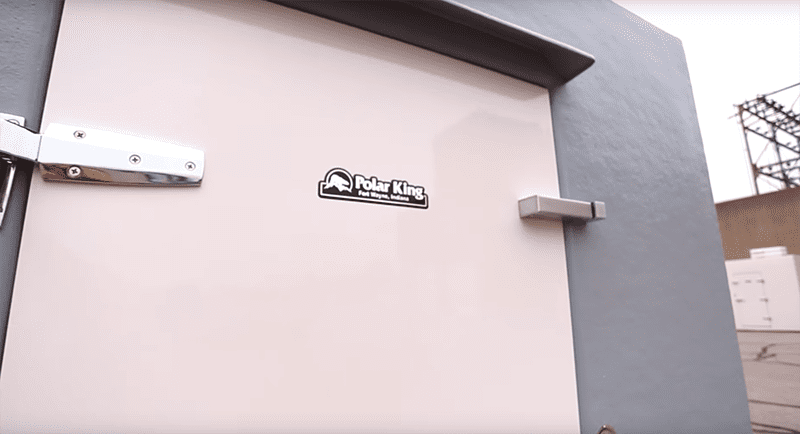
One of the most important components from an efficiency standpoint is also one of the most overlooked: your walk in cooler door.
Cold storage’s Achilles’ heel: your walk in cooler door or freezer door
Cold storage’s Achilles’ heel: your walk in cooler door or freezer door
The insulation, refrigeration system, and structural components of your unit may perform reliably for decades with proper maintenance, but other components, such as your walk in cooler door, will probably show signs of wear more quickly. That’s because a walk in cooler door in a busy operation may be opened and closed hundreds, or even thousands, of times each week. Over time, the hinges wear out, seals break down, and the door itself may begin to show signs of damage.
In some situations, minor repairs can fix problems. Other times, the most practical and cost-effective long-term solution is to install a replacement walk in cooler or freezer door.
This guide will help you determine:
- When a repair may be enough
- When damage indicates a larger problem
- When it makes sense to install a replacement freezer door or a complete freezer door kit
Why your walk in cooler door is critical to performance
In most cases, the walk in cooler door is the single biggest point of energy loss in the unit. Efficiency depends on it resealing effectively every time it’s opened, and even small gaps can allow cold air to escape and warm air to enter. A properly functioning walk in freezer door is also critical for safety, ensuring that it opens and closes easily without freezing shut or creating ice buildup.
When a walk in freezer door or cooler door begins to fail, the effects may include:
- Warm air infiltration
- Temperature fluctuations inside the walk in
- Increased energy consumption
- Condensation or ice buildup around the opening
- Additional strain on refrigeration equipment
When performance begins to suffer, knowing when problems are minor and when they indicate a more serious issue can make a big difference on your energy bill.
When walk in cooler or freezer door repair may be enough
Not every problem with your walk in cooler door or walk in freezer door requires immediate replacement. Some cases of minor wear can be corrected with simple maintenance or component replacement, such as:
- Worn or damaged door gaskets. Door gaskets naturally wear down over time due to repeated compression and exposure to cold temperatures. If the door itself is still structurally sound, replacing the gasket may be enough to restore the seal and prevent warm air infiltration.
- Minor hardware issues. Components such as hinges, latches, and door closers are designed to be serviceable. If the door still aligns correctly and seals properly, replacing worn hardware may resolve the issue without requiring a full walk in cooler door replacement.
- Cosmetic damage. Small dents, scratches, or minor surface wear may not impact performance. If the insulation and frame of your walk in cooler door are still intact, cosmetic issues alone may not justify replacing the entire door.
- Limited ice or condensation issues. Occasional condensation or minor ice buildup around your walk in freezer door may be caused by other issues, such as a failing heater, worn gasket, or even staff members leaving the door open too long, rather than a structural door failure. Replacing those individual components or implementing staff training may resolve the issue.
There is an important caveat. Although replacing a single component may temporarily improve performance, if your aging door is nearing the end of its useful life, you may find yourself repairing one component after another as they start to slide into a cascade of mechanical failures. In this case, you may wind up spending significantly more to repair each individual component compared to a full walk in cooler or freezer door replacement.
Want to know why and where costly heat transfer happens?
Check out our Anatomy of a Walk in Door blog to learn what your door components do — and what happens when they fail.
When a walk in cooler door replacement may be your best option
If you’re experiencing persistent performance issues, especially if you’re having multiple issues at once, take the time to assess the door’s overall condition. It may be time to replace your walk in cooler or freezer door to restore performance and prevent ongoing maintenance issues.
Signs of poor performance include:
- Air leaks. If you can feel cold air escaping around the edges of the door or see light through gaps when the door is closed, your seal is ineffective. If gasket replacement does not resolve the issue, the problem could be coming from another area, such as the door hinges, the door panel or even the frame.
- Chronic condensation. Condensation happens when warm, humid air from outside the unit comes in contact with the colder air inside. When the temperature drops, the water vapor changes to a liquid state inside of the unit. Beyond affecting cold storage efficiency, this condensation can also cause slip-and-fall hazards for your staff.
- Chronic ice buildup. As bad as condensation can be inside a cooler, it can be even worse inside of a freezer. Here, solid ice can form on evaporator coils, hindering performance, or on the floor, making it very slippery. If your aging walk in freezer door is failing, you may also want to replace it before a failing door heater causes the door to freeze shut.
- Structural damage to the door or frame. Serious dents, warping, corrosion, or damaged insulation can compromise the integrity of the door. If the internal insulation or structure is damaged, repairs rarely restore the door to its original performance.
- Difficult or unsafe door operation. Doors that sag, stick, or fail to close properly can create operational delays and safety risks for your employees. If this is caused by misalignment or structural fatigue, replacement is the most reliable long-term solution.
- Misaligned hinges or sagging doors. If hinges wear out or break, the door can begin to sag, preventing it from sealing correctly. Even a slight misalignment can create gaps that allow air infiltration.
- Faulty latches or closers. A broken latch or ineffective closer can prevent the door from sealing tightly, even if the gasket is in good condition. Door closers, in particular, act as a safeguard to ensure the door shuts properly every time it is used.
- Frequent repair issues. If you are repeatedly replacing hinges, gaskets, or hardware, the cumulative cost of repairs and downtime may exceed the cost of installing a new walk in cooler or freezer door.
Signs like these are indicators that the door is allowing air to infiltrate the unit, which can lead to energy loss, condensation, and temperature instability.
Why replacing your walk in cooler or freezer door may be the most cost-effective solution
Purchasing replacement freezer doors or cooler doors is significantly more cost-effective and less labor-intensive than replacing individual components separately, and you also gain the advantage of better fit.
Individual components are aftermarket parts and may or may not have slight variations that may affect the seal on a door that has experienced wear. A brand-new door that was preassembled in the factory, on the other hand, has components that have all been specifically selected for compatibility with your specific door and installed by the manufacturer on a brand-new door that meets exacting specifications.
When a door reaches the end of its service life, installing a replacement can:
- Boost energy efficiency. A properly sealed walk in cooler door prevents warm air infiltration and helps maintain stable temperatures inside the unit. This reduces the workload on the refrigeration system and improves overall efficiency.
- Improve safety and hygiene. Eliminating condensation and ice buildup reduces slip hazards around the door area. Many newer doors also feature smoother surfaces that are easier to clean and maintain.
- Extend the useful life of your walk in. A failing door puts additional strain on refrigeration components. Replacing the door removes the strain on the system, improving its resilience.
Replacement walk in cooler doors can fit almost any manufacturer’s units
Modern replacement doors for coolers and freezers are designed to retrofit walk ins from a wide variety of manufacturers. Custom sizing and adaptable frames allow you to spec a replacement door to fit the existing opening, so you can upgrade your older walk in without major structural modifications.
These solutions are often available as complete cooler and freezer door kits, simplifying installation and reducing downtime.
What comes in a replacement cooler or freezer door kit?
A typical cooler or freezer door kit includes all of the components needed to install a new door system within an existing walk in opening, such as the:
- insulated door panel
- matching door frame
- hinges and mounting hardware
- handles and latches
- door closer
- door heater for freezer applications
Many modern freezer door kits are designed for straightforward installation. Some door and frame kits arrive preassembled, allowing installers to position the unit within the existing opening and secure it in place with minimal modification. This can significantly reduce installation time compared to more complex door systems.
Before ordering a replacement door, it’s important to consider not only the opening size but also the surrounding space. Be sure to account for clearance from walls, equipment, tables, light switches, thermostats, or other nearby elements when planning your replacement door.
Specifying your walk in freezer door or cooler door correctly
Measuring the right components is crucial to getting the right fit for your walk in cooler or freezer door replacement, but it’s not the only factor that needs to be considered. Other factors that will affect the fit and function include:
- Whether the door is for a cooler or freezer application
- The thickness of the existing walk in wall
- Door swing direction and hinge placement
- Whether a flush or offset door design is required
Understanding these details will help ensure that your replacement door integrates correctly with your existing walk in structure.
Pro tips for replacing a walk in cooler door
Because no two replacement projects are exactly the same, planning ahead can help avoid delays and additional labor during installation.
- Choose the right door size for your application. If you typically move full pallets in and out of your unit, you will need to have a 54” or 60” door to accommodate a pallet jack, but if you only move products by hand or cart, having a smaller door will be a better, more energy efficient choice.
- Consider customizations. Take the time to think about how the door will be used on a daily basis to determine if add-ons may enhance how your door functions. If your walk in has high traffic volume, for example, you may want to add an aluminum diamond tread kick plate to increase durability or a window to improve safety and visibility.
- Evaluate the space around your walk in. Make sure that nearby walls, equipment, or fixtures won’t interfere with installation. If there’s anything that might be blocked by the new frame, such as a thermostat or light switch, you might want to consider switching which side you want the replacement walk in cooler or freezer door to open on or relocating the blocked items.
- Measure twice, cut once. Before finalizing the order for your replacement walk in cooler door, take the time to confirm all measurements carefully to ensure the new door will fit correctly in the existing opening. This means double checking that you’re measuring the correct distances, including or excluding the door frame as specified, and that you’ve entered the correct values into the corresponding fields on the form.
- Contact us. If you have any questions about Polar King replacement doors for walk in coolers and freezers, ask us! We’re always happy to help set you up for success.
Want more information now? Check out our step-by-step guide to measuring and spec’ing walk in replacement doors, to help ensure the best fit for your unit.
Upgrade your walk in cooler or freezer with Polar King replacement doors
If it’s time for a walk in cooler or freezer replacement door, you may want to use this opportunity to upgrade your walk in with a Polar King replacement door. Designed for durability and long-term performance, these premium doors can enhance the energy efficiency of your walk in for many years to come.
Polar King’s patented fiberglass construction eliminates the hot spots found in steel-frame units by preventing thermal bridging, where heat passes through metal to the interior, and by using rigid insulation instead of sprayed-in insulation that can leave voids. The smooth, easy-to-clean surface also helps make these doors an excellent choice for demanding environments such as foodservice, healthcare, pharma, and food processing applications.
Click here to learn more about Polar King replacement door upgrades.
Quick Decision Checklist: When to repair or replace your walk in cooler door
Not sure if you should repair or replace your walk in cooler door? Ask yourself the following repair screening questions:
- Is your door’s damage limited to gaskets or hardware?
- Does your door still seal properly?
- Are your frame and insulation still intact?
- Are the majority of your components in good working condition?
If you answered yes to all of the above, repair may be the best option for you.
If you answered no to one or more of the above questions, ask yourself:
- Is your door seal failing?
- Does your door have structural damage?
- Do you have persistent icing or condensation?
- Are door repairs becoming frequent or costly?
If you answered yes to one or more of these questions, a walk in cooler replacement door is most likely the best choice.
Repair or replace?
While minor issues can sometimes be addressed through routine maintenance, significant wear or structural damage often makes replacing a walk in cooler door or walk in freezer door the more reliable long-term solution.
Modern replacement freezer doors and cooler door kits are often the best way to reclaim lost efficiency, safety, and performance at minimal cost and restore peak operation for years to come.
Walk in door replacement Frequently Asked Questions (FAQs)
How do I know if my walk in cooler door needs to be replaced?
If your walk in cooler door no longer seals properly, shows structural damage, or requires frequent repairs, replacement may be the most practical solution. Persistent condensation, ice buildup, or difficulty opening and closing the door may also indicate it is time for a replacement.
Can I replace my walk in freezer door without replacing the entire walk in?
Yes. Many replacement freezer doors are designed to retrofit existing walk ins from various manufacturers. Installing a new door is often far less expensive than replacing the entire refrigeration unit.
What is included in a freezer door kit?
A typical freezer door kit includes everything you need to replace your freezer door, including the insulated door panel, frame, hinges, handles, latches, and often a door closer and heater for freezer applications.
Are replacement doors for coolers compatible with older walk ins?
Yes. Many replacement doors for coolers can be custom sized to fit existing walk in openings, making them compatible with older systems.