Explosion proof walk in cooler

Keeping safe in hazardous locations

Safety comes first at Polar King, which is why we build standard explosion proof refrigerators and freezers or create custom units to fit your specific needs. Our explosion-proof units have spark-proof interior and exterior surfaces with no internal electrical components to prevent ignition in hazardous environments.

Further, all exterior components meet OSHA and National Fire Protection Association (NFPA) standards for safely storing volatile materials. Our explosion-proof refrigerators and freezers also comply with Chapter 5 of the National Electric Code.

Standard features for explosion-proof refrigerators and freezers

  • Contents are separated from electrical components to prevent explosions inside or outside the unit as per Chapter 5 of the National Electric Code
  • Units rated for class 1, 2 and 3, division 1 and 2 and zones 0, 1 and 2
  • Models available in a variety of sizes and configurations
  • 12-year complete structural warranty
  • Industry-leading energy efficiency
How our explosion proof refrigerators and freezers rate

We offer class 1, 2, and 3, division 1 and 2 and zone 0, 1 and 2 ratings for both the interior and exterior explosion proof refrigerator and freezer of the walk-in module. All of our flammable proof refrigerator and freezer units can offer gas detection system (LEL) and/or an integrated 500-gallon containment sump.

Classes

Classes define the type of explosive or ignitable substances which are present in the atmosphere. Our explosion proof refrigerators and freezers are rated for the following North American classes:

  • Class 1
    Flammable gases or vapors are present in the air in quantities sufficient to produce explosive or ignitable mixtures. Class 1 locations include petroleum facilities, dry cleaning plants, and spray-painting operations.
  • Class 3
    Ignitable fibers or flyings are present, but not likely to be in suspension in sufficient quantities to produce ignitable mixtures. Group classifications are not applied to this class. Class 3 locations include cotton gins and wood product factories.

Divisions

Divisions define the likelihood of the hazardous materials being present in a flammable concentration. Our explosion proof refrigerators and freezers are rated for the following North American divisions:

  • Division 1
    Ignitable concentrations of hazards are present during normal conditions and/or hazard is caused by frequent maintenance and repair work or equipment failure.
  • Division 2
    The substance referred to by class is present only in abnormal conditions, such as a container failure or system breakdown. Ignitable concentrations of hazards are handled, processed, or used but are normally in closed containers or closed systems. Hazards can only escape through accidental rupture or breakdown of their containers or systems.

Zones

Zones define the length of time hazardous explosive or ignitable substances are present in the atmosphere. Our explosion proof refrigerators and freezers are rated for the following North American zones:

  • Zone 0
    Hazardous, explosive, or ignitable substances are present continuously or for long periods of time.
  • Zone 1
    Hazardous, explosive or ignitable substances are likely to be present or are frequently — but not continuously — present under normal operating conditions.
  • Zone 2
    Hazardous, explosive, or ignitable substances are present only under abnormal conditions or only for short periods of time.

Options and accessories for flammable proof refrigerators and freezers

  • Gas detection system (LEL)
  • Integrated 500-gallon containment sump
  • Shelving
  • Ramps
  • Door view windows
  • Security hasp locks
  • Stainless steel kick plates
  • Digital thermometers
  • Temperature data recorders
  • Exterior lighting
  • And much more!
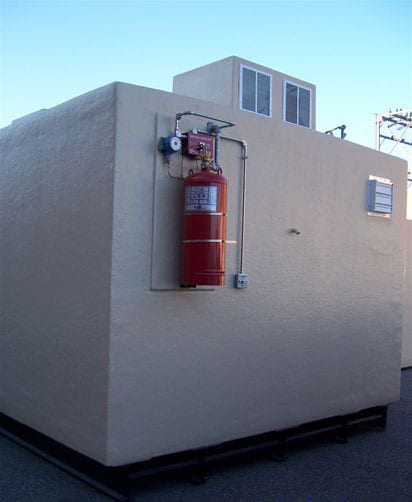
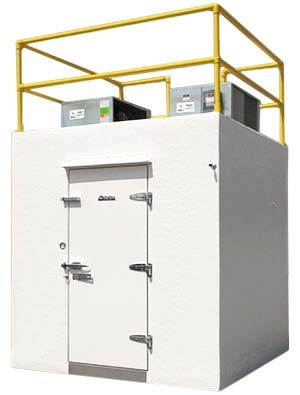
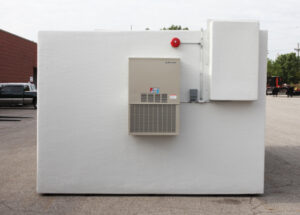
exterior of explosion-proof walk in freezer
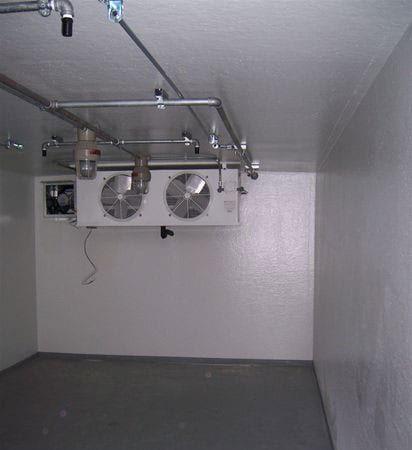
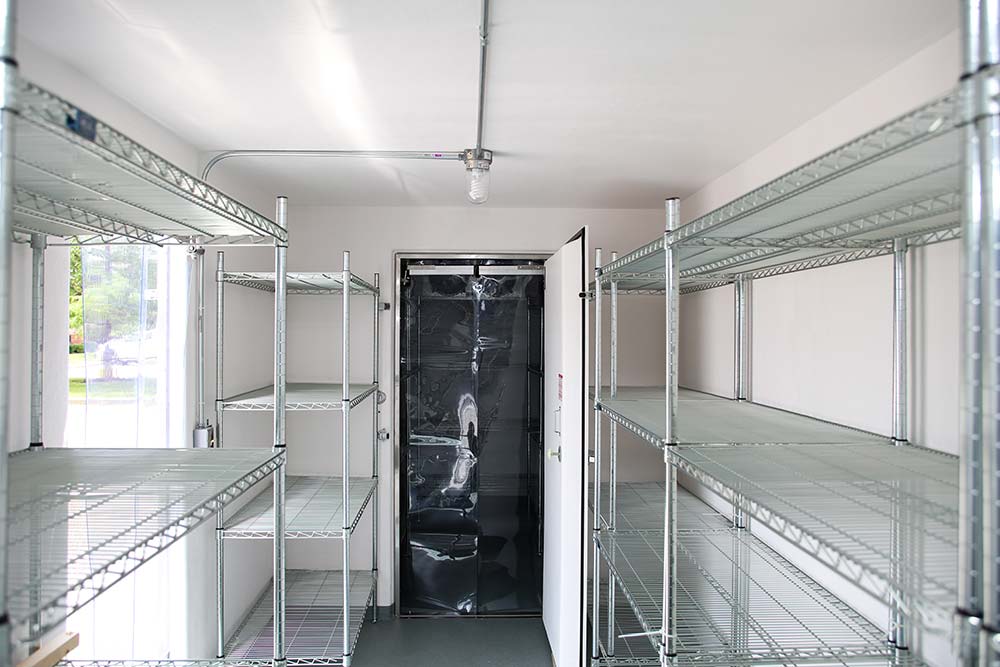
Inside of a Polar King portable cooler unit

Have a unique application? We’ve got the solutions you’re looking for!

From fully functional kitchens and modular buildings to refrigerated vans and clean room panels, Polar King has a track record of success in special use projects. When you need something out of the ordinary, we can help make it happen.

Contact us

Related articles

Class I, Division 2
Explosion Proof Walk-In Coolers and Freezers: Understanding Class I, Division 2 and How Polar King Delivers

Explosion Proof Walk-In Coolers and Freezers: Understanding Class I, Division 2 and How Polar King Delivers

Explosion proof walk in cooler
Understanding Explosion-Proof Walk In Refrigerators: Everything You Need to Know

Understanding Explosion-Proof Walk In Refrigerators: Everything You Need to Know

hazardous locations walk in refrigerator
Safeguarding Hazardous Locations: Polar King is the Ideal Choice

Safeguarding Hazardous Locations: Polar King is the Ideal Choice

Frequently Asked Questions

What is a hazardous location, and why does it require special refrigeration?

A hazardous location is any area where flammable gases or vapors, combustible dust, or ignitable fibers may be present in sufficient concentrations to create a risk of fire or explosion. Standard refrigeration equipment contains electrical components that can spark during normal operation, making it unsafe in these environments. The National Electrical Code (NEC) classifies these locations by the type of hazard and the likelihood of exposure, and equipment used within them must be specifically designed to eliminate both internal and external ignition sources. A purpose-built explosion proof refrigerator or freezer provides safe cold storage where conventional units simply cannot be used.

What does "explosion proof" actually mean for a walk in refrigerator or freezer?

The term “explosion proof” is widely used in our industry, but it has a precise technical meaning. According to Article 100 of the National Electrical Code, explosion proof apparatus must be enclosed in a case capable of withstanding an internal explosion and preventing sparks, flashes, or internal gases from igniting the surrounding atmosphere. In practice, our explosion proof walk in units are built without internal electrical components and feature sealed, spark-proof construction both inside and out, so they cannot serve as an ignition source for hazardous gases or vapors in the surrounding area. All units comply with Chapter 5 of the National Electric Code.

How is an explosion proof walk in constructed differently from a standard unit?

Our explosion proof walk in units are built without any internal electrical components. All exterior electrical components, including lights, fans, thermostats, and compressors, are specifically selected or modified to meet the applicable hazardous location classification and are sealed to NFPA and OSHA guidelines. The seamless one-piece fiberglass construction provides a corrosion-resistant, airtight enclosure that prevents the escape or entry of hazardous vapors. Each unit is also engineered to withstand the pressures generated by an internal explosion, which is a core requirement of the NEC’s definition of explosion proof apparatus.

What is the difference between a flammable storage refrigerator and an explosion proof refrigerator?

Both types share a spark-free interior design, but the key distinction is how each unit handles the environment outside the unit itself. A flammable storage refrigerator is built to prevent ignition of volatile substances stored inside the unit, making it appropriate for standard lab or storage settings where the surrounding area is not itself flammable. An explosion proof refrigerator goes further by also eliminating sparking components on the exterior of the unit, so it cannot ignite hazardous vapors or gases present in the surrounding atmosphere. If your workspace contains a flammable atmosphere, such as a Class I, Division 1 or 2 environment, an explosion proof unit is required. A flammable storage unit alone is not sufficient for those conditions.

What are the hazardous location classifications, and which ones do your walk in units cover?

Hazardous locations in North America are classified by Class, Division, and Zone. Classes describe the type of hazard present: Class I covers flammable gases or vapors, Class II covers combustible or conductive dusts, and Class III covers ignitable fibers or flyings. Divisions describe the likelihood that those hazards are present in ignitable concentrations, with Division 1 meaning ignitable concentrations exist under normal operating conditions and Division 2 meaning they are present only under abnormal conditions such as equipment failure.

Our explosion proof walk in units are rated for Class I, II, and III, Division 1 and 2, as well as Zones 0, 1, and 2, covering a wide range of industrial hazardous location requirements.

Who needs an explosion proof walk in cooler or freezer?

Any operation that requires cold storage in or adjacent to a classified hazardous location needs an explosion proof unit rather than standard refrigeration. Typical industries include petroleum refining, chemical manufacturing, pharmaceutical production, spray-coating or finishing operations, grain milling, and any facility where flammable solvents, gases, or combustible dusts are handled or processed.

If your site has been classified under NFPA or NEC hazardous location standards, our team can help you identify the correct Class, Division, and Zone rating for your specific application and configure a unit that meets those requirements.

What optional safety features are available on your explosion proof units?

In addition to the standard explosion proof construction, our units can be configured with a gas detection system (LEL monitor) to provide early warning of hazardous vapor concentrations before they reach ignitable levels. We also offer an integrated 500-gallon containment sump for operations that require spill containment as part of their environmental or regulatory compliance plan. All units can be fully customized to your site’s specific hazard classification, layout, temperature requirements.

What codes and standards do your explosion proof units comply with?

Our explosion proof walk in units are designed and built to comply with Chapter 5 of the National Electrical Code, which governs wiring and equipment in classified hazardous locations. NFPA model codes form the basis for how hazardous locations are defined and enforced, and OSHA requirements apply to workplace safety in environments where flammable or ignitable materials are present. All explosion proof components are listed, labeled, and sealed to match the applicable area classification, and units are fully assembled and tested at our facility before delivery.