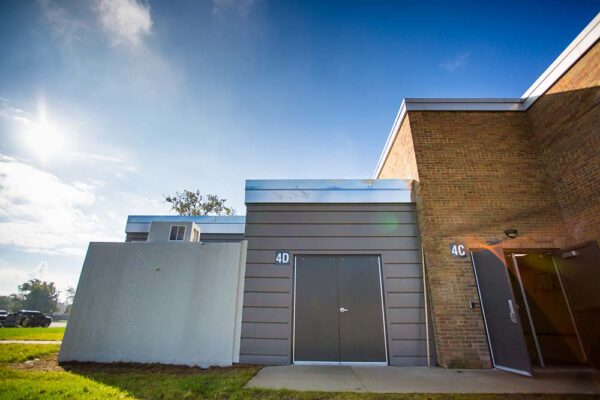
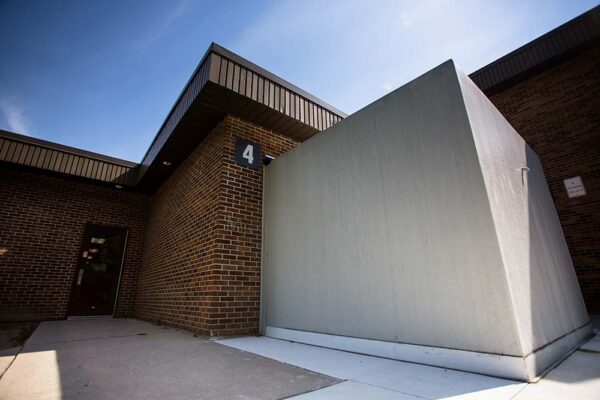
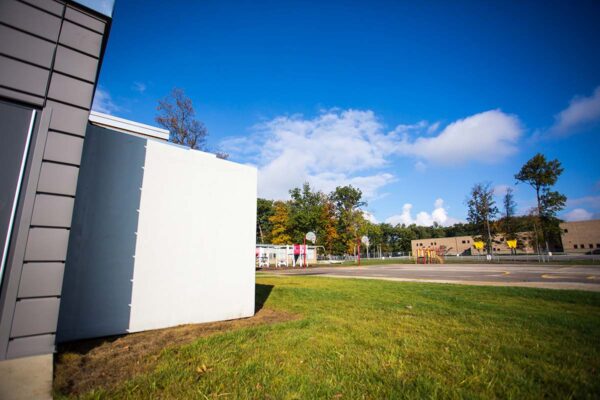
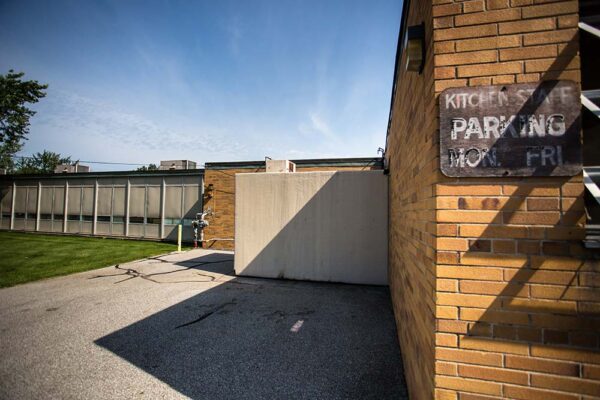
Maintaining an optimal temperature in your school’s walk-in cooler, walk-in freezer or refrigerated trailer is critical to keep food products fresh and safe.

Some of the most important pieces of equipment in your K-12 kitchen are your walk-in cooler and/or freezer. Because they keep your food products safe and fresh for consumption, it’s important to ensure that you choose a walk in manufacturer you can count on for compliance, reliability, energy efficiency, easy cleaning, and precise temperature control.

Space-saving performance

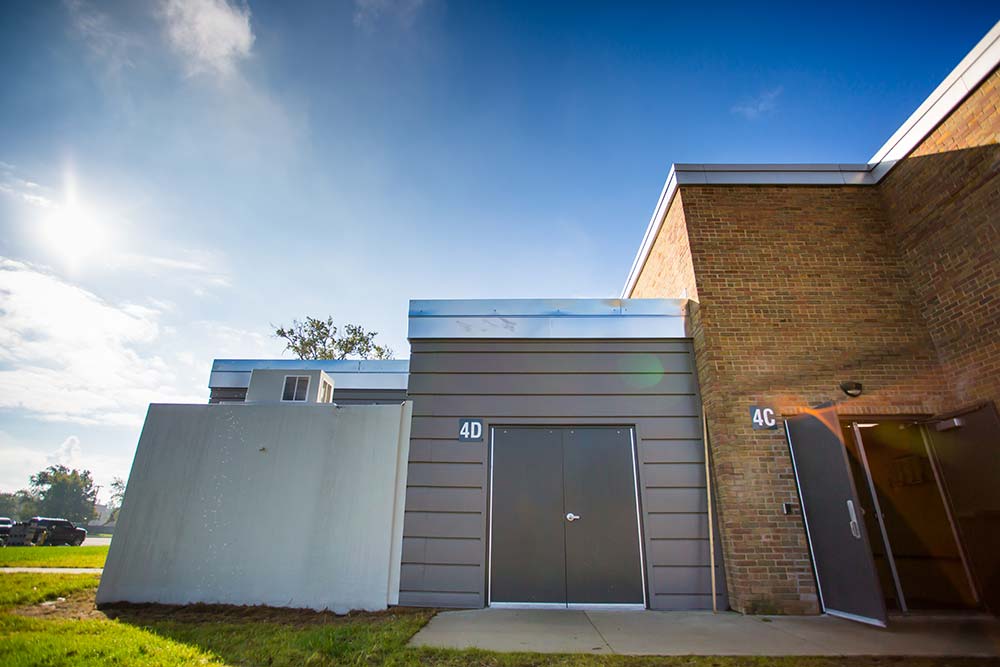
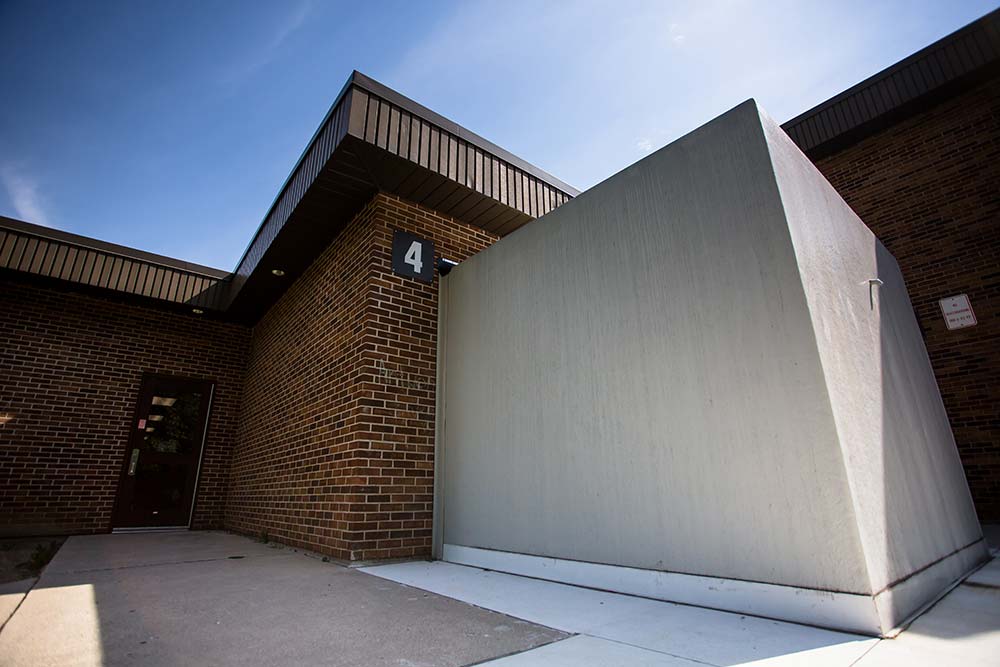
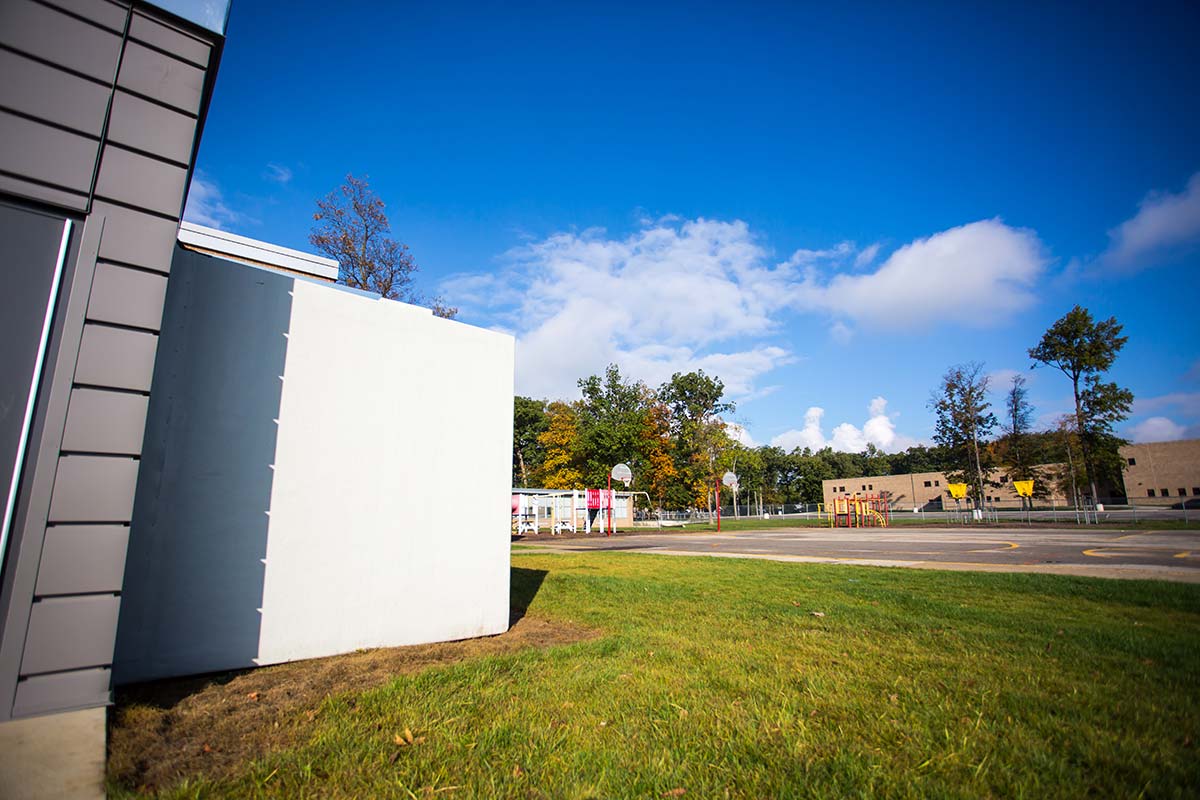
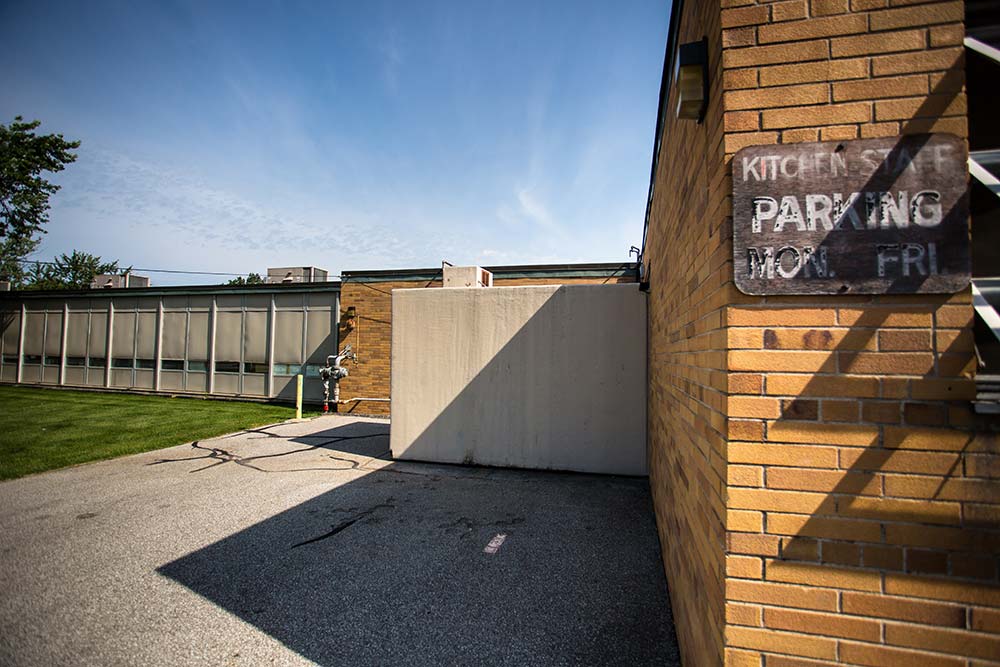
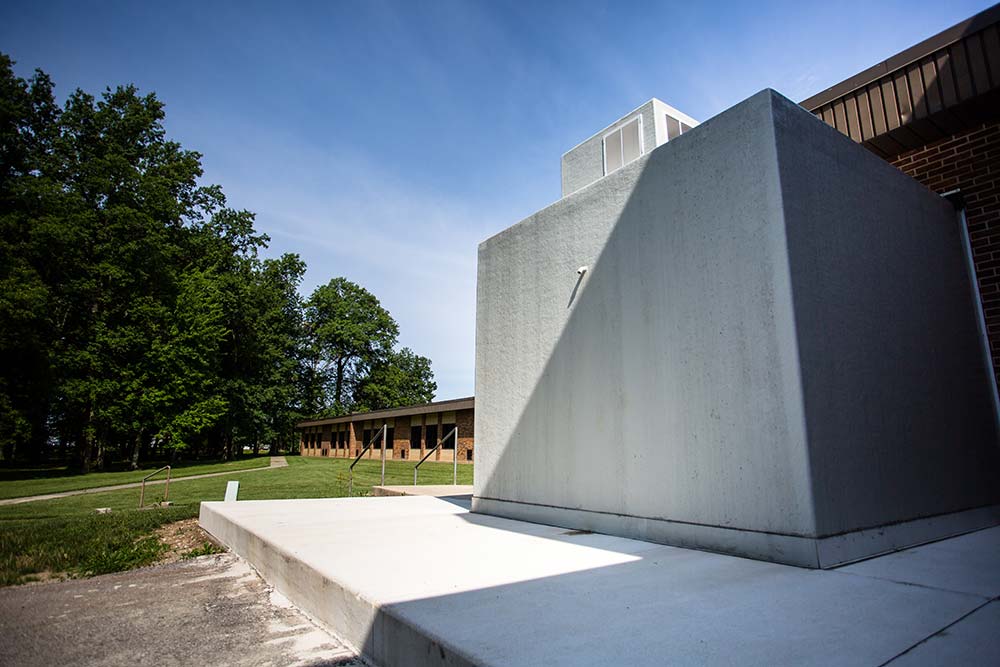
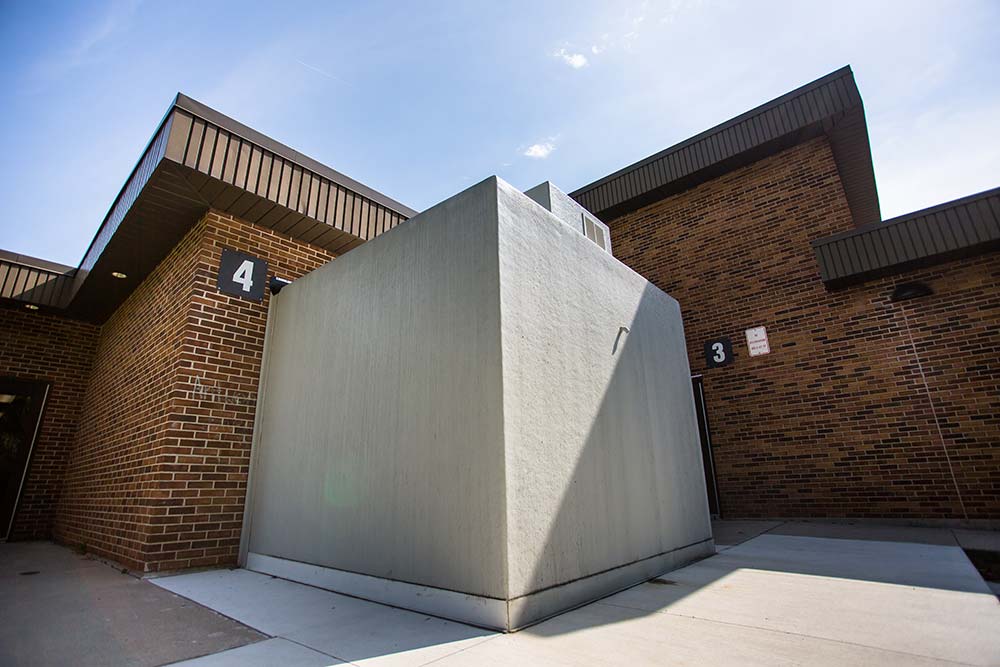
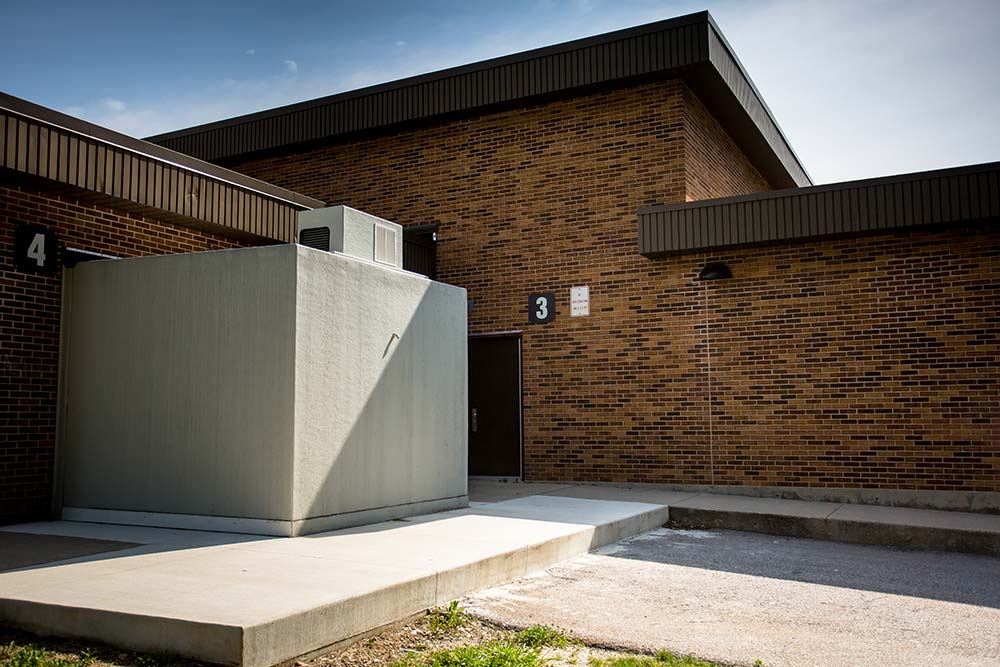
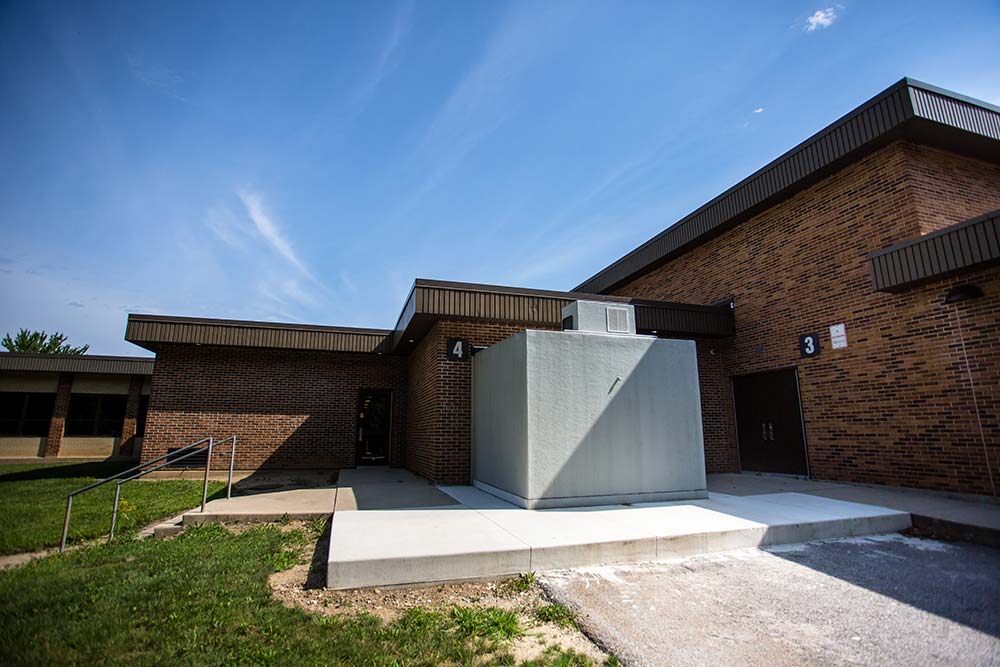
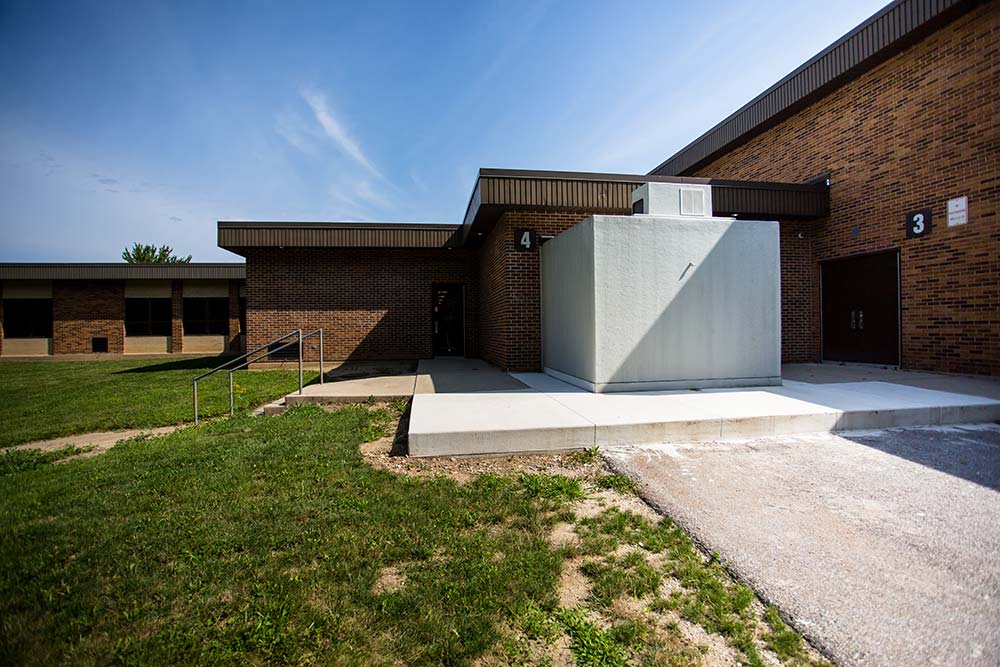
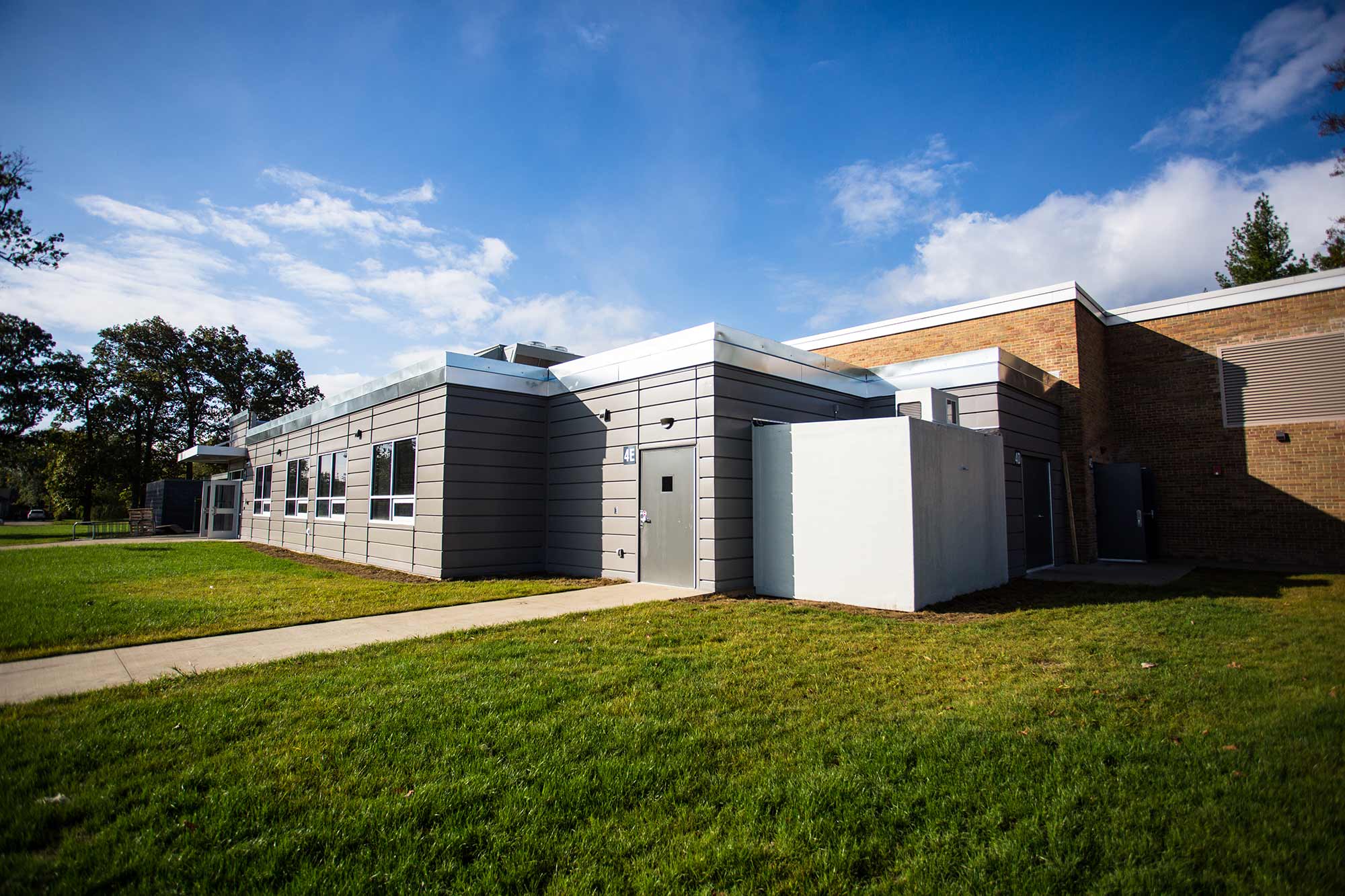
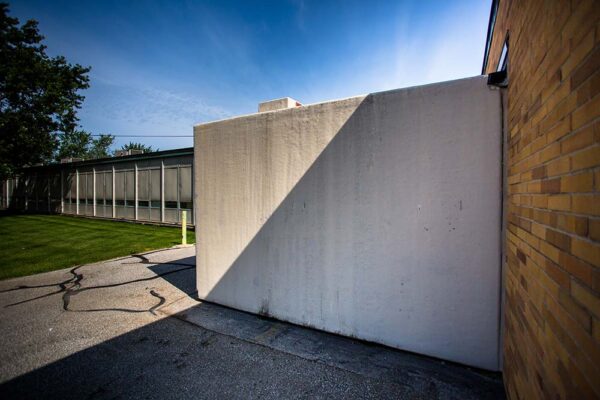
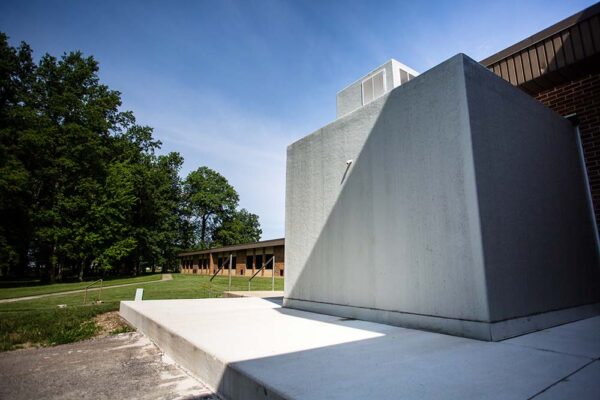
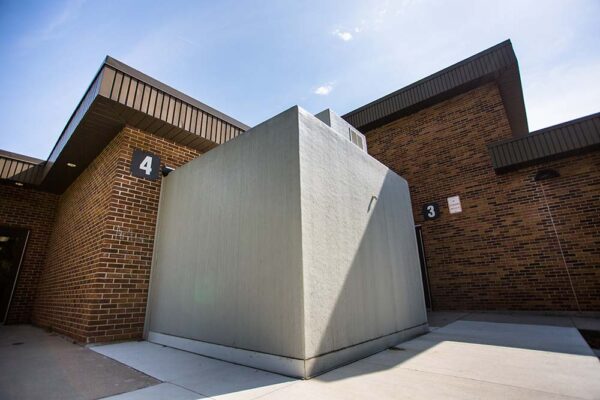
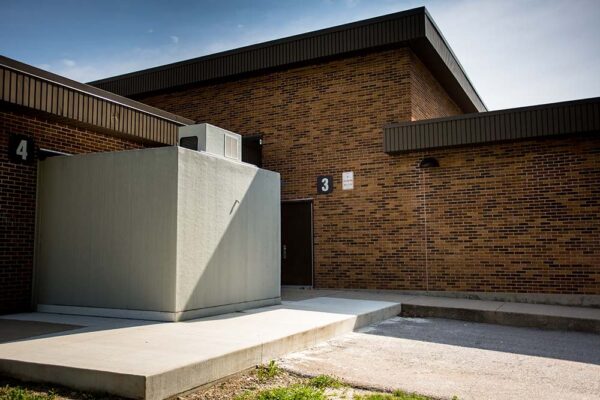
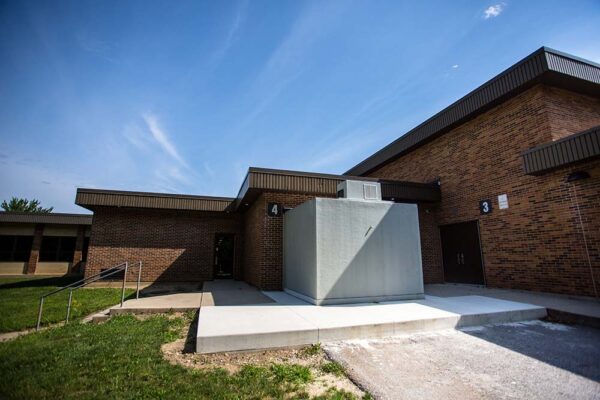
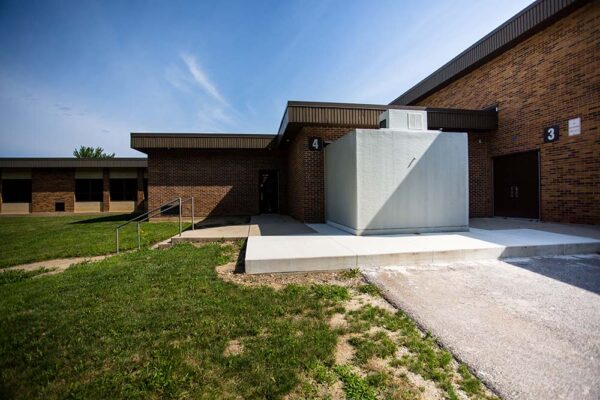
Want a bigger walk in to take advantage of bulk discounts but have limited space? Polar King can help. Our unique outdoor structures are placed outside of your existing building, adding usable square footage to your kitchen and allowing you to repurpose valuable interior space. And because they can be installed with freestanding or thru-wall access, you can choose the option that best fits your workflow.

Built to fit your school’s needs

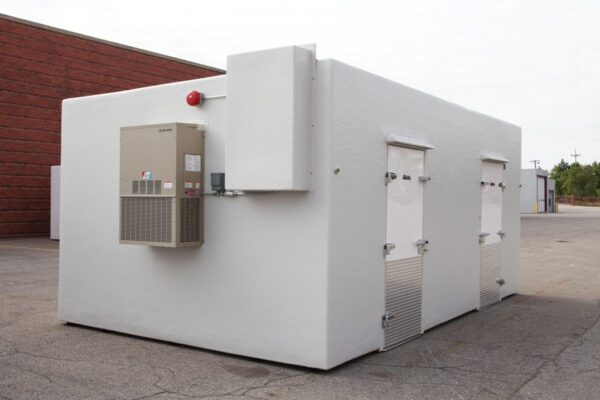
Due to Polar King’s unique manufacturing process, you can fully customize almost every aspect of your walk in, from door and wall locations to shelves and temperature control systems.

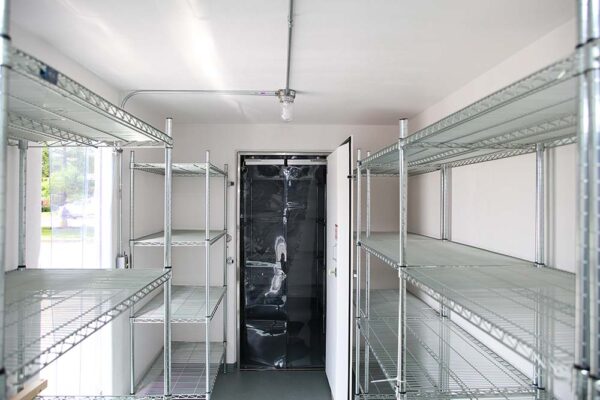
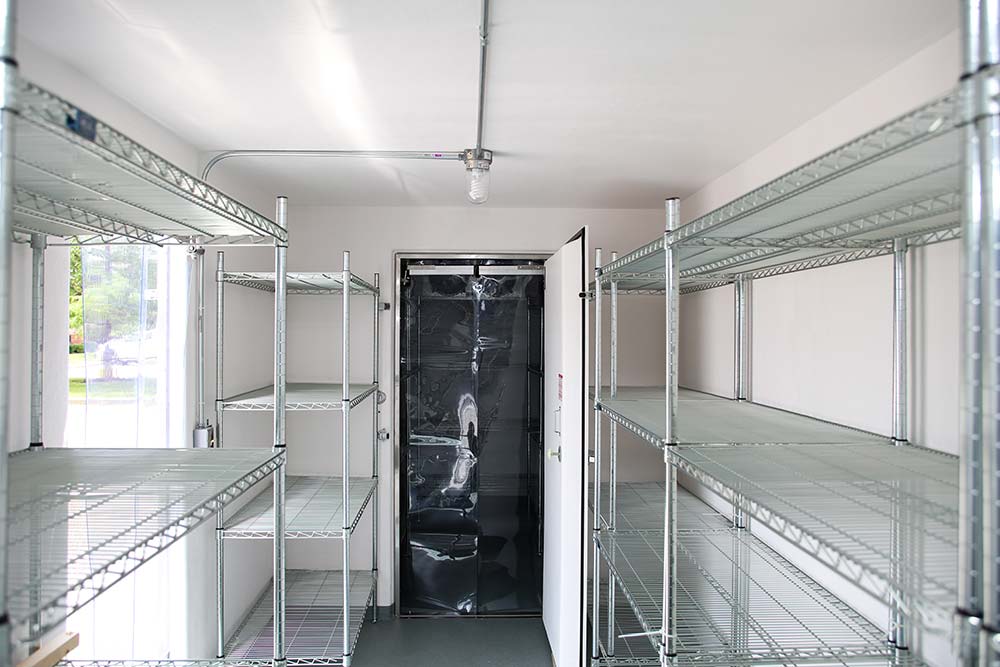
You have your choice of several varieties of slip-resistant flooring systems made for different applications and load requirements. And because each unit is built to spec, you can also choose the interior, shelving, lighting, size, layout, and accessory options that best serve the needs of your cafeteria.

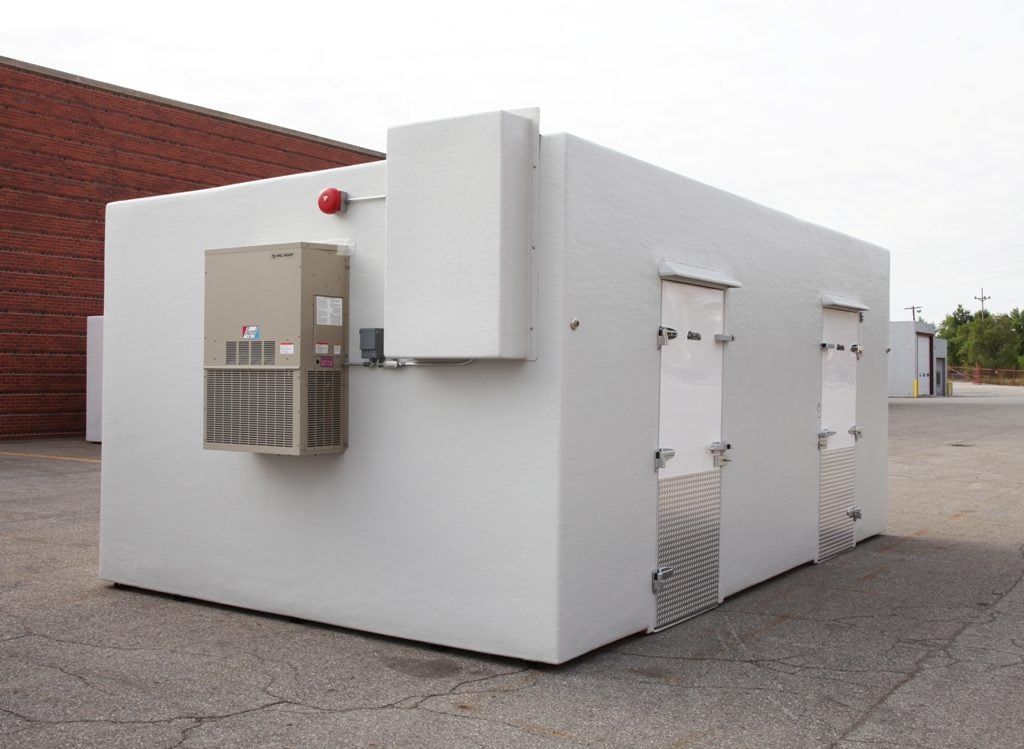
Our units are pre-built and arrive fully assembled, making the installation process fast and easy. Your walk in can be placed on virtually any surface and be up and running just a few hours after delivery with only a simple electrical connection.

Custom Accessory and Layout Options

  • Temperature data logging and monitoring systems
  • Digital thermometer with temperature alarm
  • Interior and exterior door ramps
  • Flooring
  • Shelving package
  • Stainless steel kick plates
  • 54” door
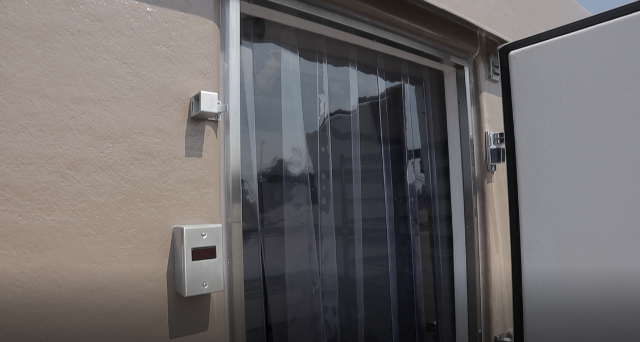
  • Door view windows
  • LED lighting
  • Glass display doors
  • Reinforced floor load
  • Interior bumper

Case Studies

We understand that schools have unique needs, so we’ve dedicated resources to studying how our walk-ins support cafeterias, nutrition programs, and food storage operations. Check out the case studies below to learn how we’re helping schools like yours maximize space while ensuring energy efficiency, food safety and compliance with school nutrition guidelines.

West Tisbury Case Study Download
Ledyard School Case Study Download

All-in-one combo walk ins

Need to store perishables at different temperatures? With Polar King, you can get a cooler, freezer, and/or dry storage combo walk in and keep all of your perishables in one convenient structure. Combo walk ins offer the same flooring, shelving, lighting, size, layout, and accessory options that our single-temperature walk ins do, so you can configure your walk in to suit the specific needs of your cafeteria.

Energy-efficient by design

Unlike panel boxes, which are pieced together onsite, Polar King walk ins are built at our factory in Fort Wayne, Indiana. This gives us full control over our patented manufacturing process to ensure that each and every walk in meets our exceptionally high standards.

The assembly process with most panel boxes starts with putting the panels together and blowing in foam insulation. While this works well from a production perspective, it’s less desirable for energy efficiency because blown in insulation typically leaves gaps that create hot spots that allow heat to penetrate the unit.

Polar King’s process starts with 4″ polyisocyanurate rigid board insulation for coolers or 5” insulation for freezers that are completely encapsulated in seamless fiberglass. This one-piece construction is exceptionally strong and eliminates the possibility of air or moisture contacting the insulation and causing it to deteriorate.

With a high R-value of at least 25 for coolers and 32 for freezers, Polar King walk ins have been proven to provide exceptional performance even when tested above 175°F in Texas and Florida and in high-impact hurricane testing.

Their bright fiberglass interior is also significantly brighter than gray panel boxes, making it faster and easier for your foodservice staff to find what they’re looking for.

Savings add up over time

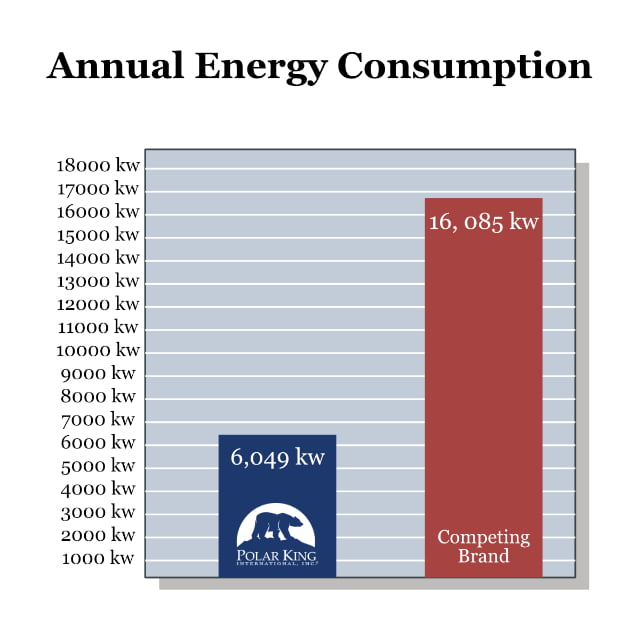
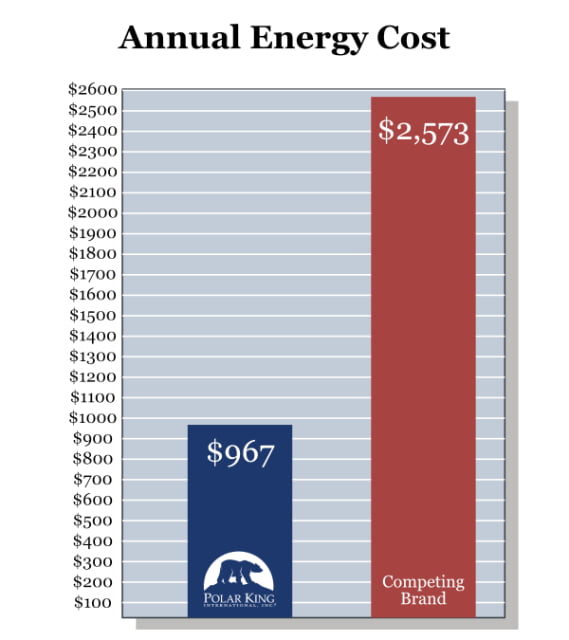
Our high-quality walk ins continue to add value throughout their usable lifespan. A study that compared a 10-year-old metal panel walk in cooler with a Polar King walk in of the same age and size found that the Polar King unit consumed a fraction of the electricity that the competing unit consumed — only 6,049kW a year to the panel box’s 16,085kW a year.

Not only are Polar King walk ins less expensive to install and operate, but they also typically last longer and provide a higher Return On Investment (ROI) over their usable life.

Polar King walk ins:

  • Have no replacement and construction costs
  • Minimize maintenance and repair costs
  • Reduce power bills
  • Cut operating costs
  • Come with a 12-year structural warranty
Energy Efficiency
Polar King Certifications

Certifications

Our walk in coolers and freezers have a variety of industry certifications, including CSA approval and NSF/ANSI 7 certification. Because they function as standalone structures, they also meet stringent building requirements and have undergone extensive impact testing to achieve approval by Miami-Dade County Product Control and comply with Florida Building Code for suitability in high-velocity hurricane zones.

Want to find out if Polar King walk in coolers and freezers are the best fit for your K-12 school?

Contact us

Frequently Asked Questions

What cooler-to-freezer storage ratio should a school cafeteria plan for when sizing a new walk in unit?

School cafeterias typically plan for a 30/70 cooler-to-freezer ratio, allocating more space to frozen storage to support bulk purchasing and regular delivery schedules. This ratio can shift based on enrollment, menu composition, and order frequency. Working with your walk in manufacturer to assess your specific meal volume and delivery patterns will help ensure the configuration you select supports both current needs and future growth.

For more information, see our complete guide to choosing a walk in cooler for K-12 schools.

Which energy efficiency and food safety standards apply to walk in freezers used in K-12 school nutrition programs?

Walk in freezers used in K-12 school nutrition programs are typically required to meet NSF/ANSI 7 certification and comply with Annual Walk In Energy Factor (AWEF) standards under the Energy Independence and Security Act. Schools must also follow HACCP guidelines for food placement and temperature control to prevent spoilage and cross-contamination. Units equipped with electronic temperature monitoring systems help cafeteria operators document compliance and respond quickly to temperature fluctuations.

How do cold storage requirements for K-12 schools compare to those for colleges and universities?

K-12 schools and post-secondary institutions share core requirements around food safety compliance, energy efficiency, and reliable temperature control, but scale and configuration needs tend to differ. College and university campuses typically operate at higher volumes and may need refrigeration across multiple facilities, including dining halls, labs, and specialized departments. K-12 programs are more narrowly focused on cafeteria and nutrition program storage, with compliance requirements often tied to school nutrition guidelines and USDA standards.

What are the options for schools that need refrigeration temporarily during a kitchen renovation or equipment failure?

Schools that need temporary cold storage during a kitchen renovation or equipment failure can rent outdoor walk in coolers and freezers through Polar Leasing, which maintains a large fleet of units available for short and long-term use. Rental units are delivered pre-assembled and operate on a standard electrical connection, with no on-site construction required. They sit at ground level for safe staff access and are NSF-approved for food service use.

How does a combination walk in unit handle cooler and freezer storage differently than two separate units?

A combination walk in unit integrates cooler and freezer compartments within a single structure, with each temperature zone independently controlled. The shared structure uses the same flooring, shelving, lighting, and accessory options available in single-temperature units, so there is no tradeoff in configuration flexibility. For school cafeterias that need to store fresh and frozen products in close proximity, a combination unit can reduce the overall footprint without sacrificing separate temperature control for each product type.

What exterior customization options exist for walk in units installed on a school campus?

Polar King walk in units can be finished with exterior treatments designed to match a school building’s existing architecture, including brick, stucco, and tile patterns available through the Architectural Series design package. Custom paint colors can be matched to a provided PMS sample, and structural elements such as parapet walls can be added to conceal rooftop refrigeration equipment from view. Door and wall locations can also be repositioned to accommodate campus layout and access requirements.
What funding sources do school districts typically use to purchase or finance a new walk in cooler or freezer?

School districts typically fund walk in cooler and freezer purchases through one of two budget sources depending on the project type. New construction projects are generally funded through facility and general district funds, while remodels and replacements in existing kitchens are funded through dedicated foodservice revenues, which by regulation can only be applied to foodservice-related projects. Federal grants, including USDA programs, may also be available to help offset equipment costs. For larger capital projects, districts may pursue a millage referendum, placing a measure on the ballot to authorize additional funding from local taxpayers.